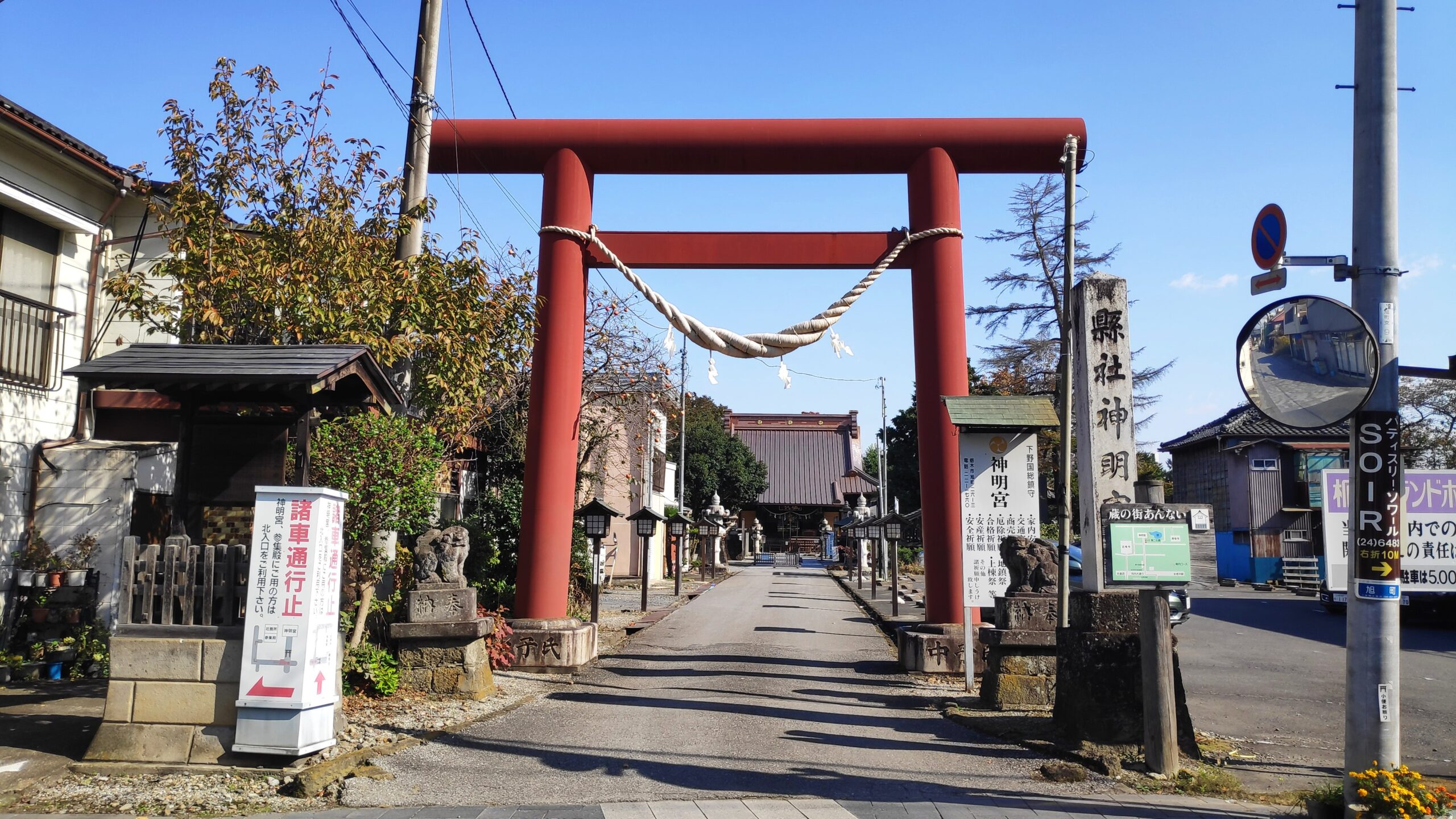
The Imperial family answers interview questions while visiting their retreat, the Nasu Imperial Villa in Nasu Town, Tochigi Prefecture.
Interviewer (インタビュアー)
虫や鳥の声もたくさん聞こえますけれども、ひさしぶりの那須はいかがでしょうか。
いんたびゅあー: むし や とり の こえ も たくさん きこえます けれども、 ひさしぶり の なす は いかが でしょうか。
Interviewā: Mushi ya tori no koe mo takusan kikoemasu keredomo, hisashiburi no Nasu wa ikaga deshou ka.
Interviewer: We can hear many sounds of insects and birds, but how are you enjoying Nasu after such a long time?
Emperor (天皇)
えと、ちょうどあの、100年前の今日、あの御本邸が…御用邸が、あの、できたという、ま、ちょうどその日に3人揃って今年も那須に来ることができたこと、とても嬉しく思っております。
てんのう: えと、 ちょうど あの、 ひゃくねんまえ の きょう、 あの ごほんてい が… ごようてい が、 あの、 できた という、 ま、 ちょうど その ひ に さんにん そろって ことし も なす に くる こと が できた こと、 とても うれしく おもっております。
Tennō: Eto, chōdo ano, hyakunen mae no kyō, ano gohontei ga… goyōtei ga, ano, dekita to iu, ma, chōdo sono hi ni sannin sorotte kotoshi mo Nasu ni kuru koto ga dekita koto, totemo ureshiku omotte orimasu.
Emperor: Well, exactly 100 years ago today, the main residence… the Imperial Villa was completed, and on that very day, the three of us were able to come to Nasu together again this year, which makes me very happy.
📖 Grammar Explanation
Let’s break down each sentence and analyze the grammar!
1. インタビュアー: 虫や鳥の声もたくさん聞こえますけれども、ひさしぶりの那須はいかがでしょうか。
- Listing & Modifying Particles: “虫や鳥の (mushi ya tori no)” combines the nouns “虫 (mushi – insects)” and “鳥 (tori – birds)” with the non-exhaustive listing particle “や (ya – and/such as)”, connected to “声 (koe – voice/sound)” via the modifying particle “の (no)”. Note on usage: In Japanese, using “声 (koe – voice)” for the sounds made by birds and insects is a completely standard and natural expression, unlike in English where “voice” is mostly reserved for humans.
- Additive Particle: The particle “も (mo)” acts as an additive marker meaning “also/even”, emphasizing the abundance of ambient natural sounds.
- Adverb & Potential Verb: “たくさん (takusan)” is an adverb meaning “a lot / many”, directly modifying the polite verb “聞こえます (kikoemasu – can be heard)”, which is the potential/spontaneous form of “聞く (kiku – to hear)”.
- Conjunction Particle: “けれども (keredomo)” is a conjunction particle meaning “although/but”, used here as a gentle conversational buffer before introducing the main question.
- Topic Marker & Noun Modification: “ひさしぶりの (hisashiburi no)” modifies the proper noun “那須 (Nasu)” with “の (no)”, meaning “Nasu after a long time”. The topic marker particle “は (wa)” marks “ひさしぶりの那須 (Nasu after a long time)” as the central topic of the inquiry.
- Polite Interrogative & Honorifics: “いかがでしょうか (ikaga deshou ka)” is an extremely polite honorific expression combining “いかが (ikaga – how)”, the conjectural copula “でしょうか (deshou ka – would it be?)”, and the question particle “か (ka)”, asking “How are you finding/enjoying it?”.
2. 天皇: えと、ちょうどあの、100年前の今日、あの御本邸が…御用邸が、あの、できたという、ま、ちょうどその日に3人揃って今年も那須に来ることができたこと、とても嬉しく思っております。
- Interjections: “えと (eto)”, “あの (ano)”, and “ま (ma)” are conversational interjections and hesitation fillers (similar to “well”, “um”, “you know”) that allow the speaker time to formulate their words naturally.
- Temporal Phrase: “100年前の今日 (hyakunen mae no kyō)” connects “100年前 (hyakunen mae – 100 years ago)” to “今日 (kyō – today)” using “の (no)”, functioning as an adjectival temporal phrase meaning “today 100 years ago”.
- Honorific Prefix & Subject Marker: “御本邸が…御用邸が (gohontei ga… goyōtei ga)” uses the honorific prefix “御 (go-)” attached to “本邸 (hontei – main residence)” and “用邸 (yōtei – Imperial villa)”, with the subject marker particle “が (ga)” identifying the location being completed. The speaker (emperor) self-corrects from “gohontei” to “goyōtei”.
- Past Tense & Quotative Phrase: “できたという (dekita to iu)” joins the past tense verb “できた (dekita – was completed)” with the quotative/defining phrase “という (to iu – called / stated that)”, which nominalizes and connects the preceding historical fact to the following context.
- Time Particle & Adverbial Use: “ちょうどその日に (chōdo sono hi ni)” uses “ちょうど (chōdo – exactly/just)”, “その日 (sono hi – that day)”, and the time particle “に (ni)”, meaning “on that exact day”. “3人揃って (sannin sorotte)” uses the counter phrase “3人 (sannin – three people)” followed by the Te-form verb “揃って (sorotte – gathering together / all present)”, acting adverbially to mean “the three of us together”.
- Direction Particle & Nominalization: “今年も (kotoshi mo)” uses the additive particle “も (mo)” after “今年 (kotoshi – this year)”, meaning “this year as well”. “那須に来ることができたこと (Nasu ni kuru koto ga dekita koto)” shows the direction particle “に (ni)” pointing to “那須 (Nasu)”, attached to the dictionary form verb “来る (kuru – to come)”. The nominalizing pattern “〜ことができる (koto ga dekiru)” expresses ability/possibility (“was able to come”), and the final “こと (koto)” turns the entire clause (“the fact that the three of us were able to come to Nasu again this year”) into a single noun phrase acting as the explicit topic/reason for the speaker (emperor)’s emotion.
- Grammar Pattern (~koto, ~te orimasu): Explanation of “〜こと、〜ております (~koto, ~te orimasu)”: This sentence structure connects a nominalized clause ending in “こと (koto – the fact that…)”, with a humble emotional expression “〜と思っております (~to omotte orimasu – I humbly feel that…)”. In formal settings, placing “こと (koto)” creates a pause before expressing one’s feelings toward that specific situation or event.
- Adverbial Form & Honorific Modality: “とても嬉しく思っております (totemo ureshiku omotte orimasu)” combines the adverb “とても (totemo – very)” with the I-adjective “嬉しい (ureshii – happy)”, converted to its adverbial form “嬉しく (ureshiku)” to modify the verb “思う (omou – to feel/think)”. In terms of modality and honorifics, the speaker (emperor) uses the humble continuous form “〜と思っております (~to omotte orimasu)”, which combines the Te-form “思って (omotte)” with the extra-modest humble auxiliary verb “おります (orimasu – humble form of iru)”. It is standard practice in Japan for members of the Imperial Family, including the Emperor, to speak to the public using humble and modest language (Kenjougo) to show respect and closeness toward the people.
Vocabulary List
| Word / Phrase | Meaning |
|---|---|
| 虫 (mushi) | insect / bug (noun) |
| や (ya) | and / such as (non-exhaustive listing particle) |
| 鳥 (tori) | bird (noun) |
| 声 (koe) | voice / sound (noun) |
| も (mo) | also / even (particle) |
| たくさん (takusan) | a lot / many (adverb) |
| 聞こえます (kikoemasu) | can be heard (polite potential/spontaneous form of kiku) |
| けれども (keredomo) | although / but (conjunction particle) |
| ひさしぶり (hisashiburi) | after a long time (noun/adjectival phrase) |
| いかが (ikaga) | how (polite interrogative) |
| でしょうか (deshou ka) | would it be? (polite conjectural question) |
| ちょうど (chōdo) | exactly / just (adverb) |
| 100年前 (hyakunen mae) | 100 years ago (noun) |
| 今日 (kyō) | today (noun) |
| 御用邸 (goyōtei) | Imperial Villa (honorific noun) |
| できた (dekita) | was completed / was made (past potential form of dekiru) |
| という (to iu) | called / that says (quotative phrase) |
| その日 (sono hi) | that day (noun) |
| に (ni) | on / at (time particle) |
| 3人 (sannin) | three people (counter noun) |
| 揃って (sorotte) | together / in a complete group (Te-form of sorou) |
| 今年 (kotoshi) | this year (noun) |
| 来ること (kuru koto) | coming / to come (nominalized verb) |
| できた (dekita) | was able to (past potential form) |
| こと (koto) | fact / matter (nominalizer) |
| とても (totemo) | very (adverb) |
| 嬉しく (ureshiku) | happily (adverbial form of ureshii) |
| 思っております (omotte orimasu) | am feeling / humbly thinking (humble continuous form of omou) |
Quick Quiz
Fill in the blanks ( ) to complete the natural conversation.
A: 今日はどうでしたか。
B: 先生に招待していただいた( )、とても嬉しく( )。
1: て / 思ってるよ
2: こと / 思っております
3: こと / 思っています
🔑 Check the Correct Answer & Explanation
Correct Answer: 2
📝 Dialogue Translation
A: How was today?
B: I am very happy about the fact that the you (teacher) invited me.
💡 Explanation
The nominalizer “こと (koto)” turns the clause “Being invited by the teacher” into a noun phrase acting as the object of B’s feelings. To express humble respect in formal Japanese (especially when talking about an honorific action done by a teacher), the extra-modest humble form “思っております (omotte orimasu)” is used rather than the standard polite form “思っています (omotte imasu)”. Therefore, Option 2 “こと / 思っております” is the correct choice. Option 1 uses casual speech (“て / 思ってるよ”) which is inappropriately informal for this context, and Option 3 uses standard polite form (“思っています”) which lacks the highest degree of humble politeness required when expressing gratitude toward a teacher.
Leave a Comment