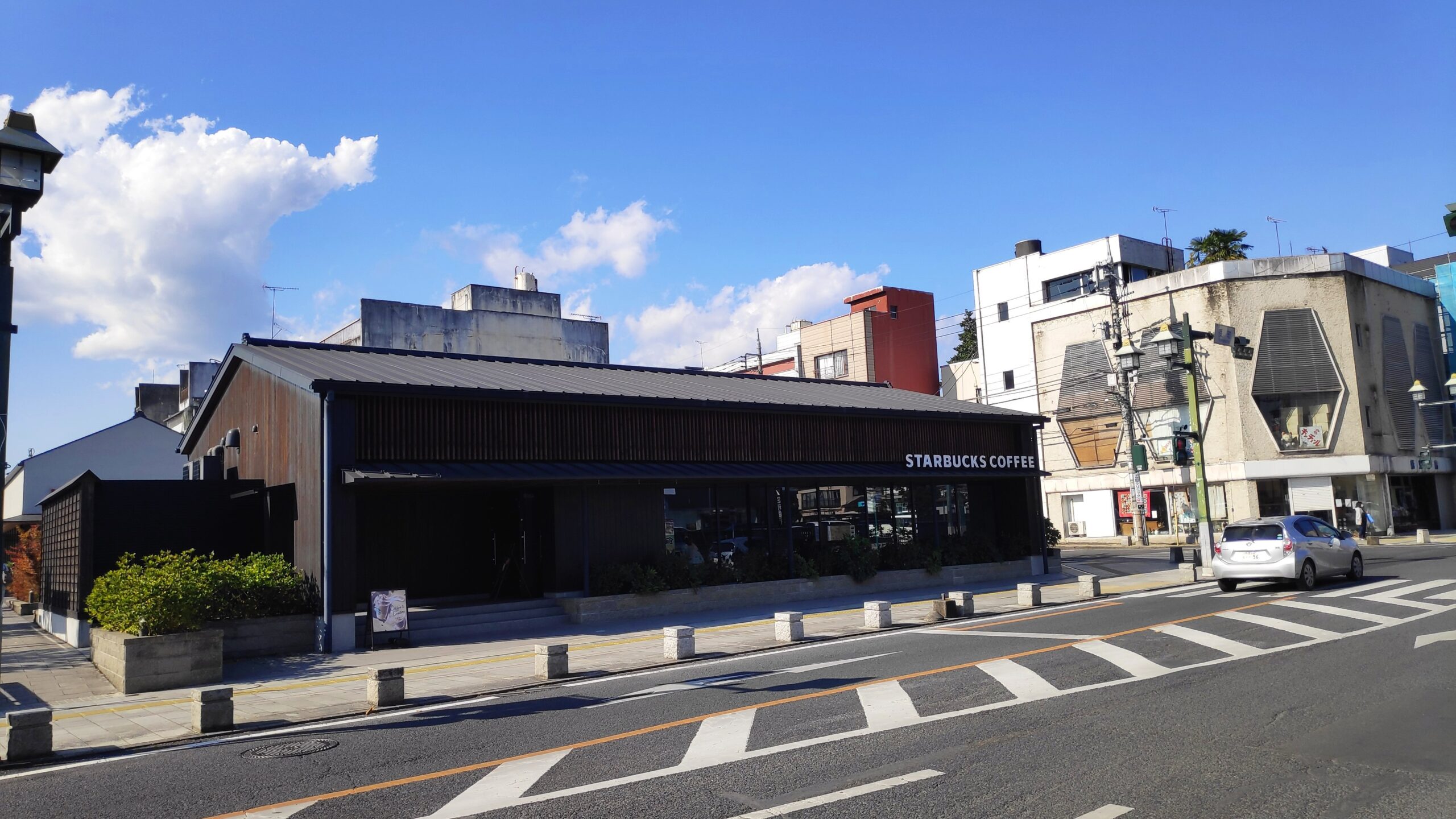
This is a transition-oriented rescue cat café located in a renovated traditional house in Toyama City, Toyama Prefecture. This video introduces four cats whose formal adoptions have been decided.
Staff (店員さん)
おかげさまで、正式譲渡が4匹決まりまして、えーとまず、ごまさん、はい、とあと、シルビアさん。
てんいんさん: おかげさまで、 せいしき じょうと が よんひき きまりまして、 えーと まず、 ごまさん、 はい、 と あと、 しるびあさん。
Ten’insan: Okagesama de, seishiki jōto ga yonhiki kimarimashite, ēto mazu, Goma-san, hai, to ato, Shirubia-san.
Staff: Thanks to your support, four cats have been officially adopted, let’s see, first, Goma-san, yes, and then Shirubia-san.
Staff (店員さん)
このシルビアさんは、あのぅ、ちょうどタイミング的に健康診断、一回もでていない子なんですけど、その隙間でぽっと捕らえられて、ぽっと正式譲渡が決まったという非常なラッキーガールです。
てんいんさん: この しるびあさん は、 あのぅ、 ちょうど たいみんぐてき に けんこう しんだん、 いっかい も でていない こ なんです けど、 その すきま で ぽっと とらえられて、 ぽっと せいしき じょうと が きまった という ひじょう な らっきーがーる です。
Ten’insan: Kono Shirubia-san wa, anō, chōdo taiminguteki ni kenkō shindan, ikkai mo dete inai ko nan desu kedo, sono sukima de potto toraerarete, potto seishiki jōto ga kimatta to iu hijō na rakkīgāru desu.
Staff: This Shirubia-san is, um, timing-wise, a cat who hasn’t had even a single health checkup yet, but she was caught right in that gap and her official adoption was decided just like that, making her a very lucky girl.
Staff (店員さん)
はい、あと、つむぎさん。それから、はちさんも正式譲渡になりました。
てんい人さん: はい、 あと、 つむぎさん。 それから、 はちさん も せいしき じょうと に なりました。
Ten’insan: Hai, ato, Tsumugi-san. Sorekara, Hachi-san mo seishiki jōto ni narimashita.
Staff: Yes, and then Tsumugi-san. Also, Hachi-san’s official adoption has been decided as well.
📖 Grammar Explanation
Let’s break down each sentence and analyze the grammar!
1. 店員さん: おかげさまで、正式譲渡が4匹決まりまして、えーとまず、ごまさん、はい、とあと、シルビアさん。
- Set Greeting: おかげさまで (okagesama de) is a set phrase meaning “thanks to you / fortunately,” used as a polite expression of gratitude for a good outcome. It is used even when there is no particular person to say thank you to, showing respect to the listener who asked about or showed interest in how the situation developed.
- Particles: 正式譲渡が (seishiki jōto ga) attaches the subject marker particle が (ga) to the noun phrase 正式譲渡 (seishiki jōto – official adoption), identifying it as the topic undergoing the action. と (to) functions as a conjunction particle meaning “and,” and あと (ato) acts as an adverbial phrase meaning “next / in addition”.
- Noun / Counter: 4匹 (yonhiki) uses the counter for small animals 匹 (hiki) with the number four (よん / yon).
- Verb Tense: 決まりまして (kimarimashite) is the polite Te-form of the intransitive verb 決まる (kimaru – to be decided), used here to connect clauses smoothly while maintaining a polite tone.
- Interjection & Adverb: えーと (ēto) is a hesitation interjection equivalent to “let me see / um” used to pause while gathering thoughts. まず (mazu) is an adverb meaning “first / to begin with”. はい (hai) is an interjection used here as a conversational filler or confirmation marker (“yes / right”).
- Proper Noun & Suffix: ごまさん (Goma-san) combines the name ごま (Goma) with the honorific suffix さん (san), which can be attached to animals to show affection and respect. シルビアさん (Shirubia-san) is the name Silvia paired with the honorific suffix さん (san).
2. 店員さん: このシルビアさんは、あのぅ、ちょうどタイミング的に健康診断、一回もでていない子なんですけど、その隙目でぽっと捕らえられて、ぽっと正式譲渡が決まったという非常なラッキーガールです。
- Demonstrative & Particles: この (kono) is a demonstrative determiner pointing to the noun シルビアさん (Shirubia-san). 〜は (wa) acts as the topic marker particle, bringing Shirubia into focus for the statement that follows. その (sono) is a demonstrative determiner pointing to “that” specific gap or moment previously implied. 隙間で (sukima de) combines the noun 隙間 (sukima – gap / opening) with the location/means particle で (de), meaning “in that gap”. 一回も (ikkai mo) combines 一回 (ikkai – one time) with the emphasizing particle も (mo – even), which, when paired with a negative verb, forms the structure “not even once”.
- Interjection & Adverb: あのぅ (anō) is a filler interjection used when speaking gently or hesitantly (“um / well”). ちょうど (chōdo) is an adverb meaning “just / exactly”. ぽっと (potto) is an onomatopoeic adverb describing a sudden, unexpected action or appearance (“just like that / suddenly”).
- Noun Phrase / Adjective: タイミング的に (taiminguteki ni) combines the noun タイミング (taimingu – timing), the suffix 〜的 (~teki – -like / in terms of) creating a Na-adjective stem, and the adverbial particle に (ni) to mean “timing-wise / in terms of timing”. 健康診断 (kenkō shindan) is a noun phrase meaning “health checkup”. 非常な (hijō na) is a Na-adjective meaning “extraordinary / extreme”, modifying ラッキーガール (rakkīgāru – lucky girl).
- Verb Tense & Passive: でていない (dete inai) is the casual negative continuous form (Te-form + いない / inai) of the verb 出る (deru – to attend / undergo), modifying the noun 子 (ko – cat/child). 捕らえられて (toraerarete) is the Te-form of the passive verb 捕らえられる (toraerareru – to be caught), connecting to the next action. 正式譲渡が決まった (seishiki jōto ga kimatta) uses the subject particle が (ga) with the past tense of 決まる (kimaru), meaning “official adoption was decided”.
- Copula, Modality & Grammar Pattern: 〜なんですけど (nan desu kedo) connects the explanatory copula 〜なん / の (nan / no) with the polite copula です (desu) and the conjunction particle けど (kedo – but / although), introducing background information with a soft nuance of modality. Structure & Modality of という (to iu): The structure “[Clause / Quote] + という (to iu) + Noun” attaches the quote particle と (to) to the verb 言う (iu – to say). It functions as a modifying phrase meaning “the [Noun] called… / the fact that…”. Here, it links the preceding clause to the noun phrase 非常なラッキーガール (hijō na rakkīgāru – very lucky girl), summarizing her situational outcome. です (desu) is the polite copula ending the sentence.
3. 店員さん: はい、あと、つむぎさん。それから、はちさんも正式譲渡になりました。
- Interjection & Adverb: はい (hai) serves as a transitional interjection (“all right / yes”). あと (ato) is a casual additive transition meaning “and also”.
- Proper Noun & Particles: つむぎさん (Tsumugi-san) is a proper noun (name) with さん (san). はちさんも (Hachi-san mo) uses the inclusive particle も (mo – also / as well) after the name Hachi-san to indicate that he/she is included in the adoption list.
- Conjunction: それから (sorekara) is a conjunction meaning “after that / and also”.
- Verb Phrase & Change of State: 正式譲渡になりました (seishiki jōto ni narimashita) uses the target/result particle に (ni) with the polite past form of なる (naru – to become), forming the pattern “Noun + になる (ni naru)”, expressing a change in state or official decision (“became an official adoption”).
Vocabulary List
| Word / Phrase | Meaning |
|---|---|
| おかげさまで (okagesama de) | thanks to you / fortunately |
| 正式譲渡 (seishiki jōto) | official adoption |
| 4匹 (yonhiki) | four animals |
| 決まりました (kimarimashita) | was decided |
| まず (mazu) | first / to begin with |
| あと (ato) | next / also |
| タイミング的に (taiminguteki ni) | timing-wise |
| 健康診断 (kenkō shindan) | health checkup |
| 一回 (ikkai) | one time |
| 子 (ko) | cat / child |
| 隙間 (sukima) | gap / opening |
| ぽっと (potto) | suddenly / unexpectedly |
| 捕らえられて (toraerarete) | being caught |
| という (to iu) | named / called / that |
| 非常な (hijō na) | extraordinary / extreme |
| ラッキーガール (rakkīgāru) | lucky girl |
| それから (sorekara) | and then / after that |
| なりました (narimashita) | became |
Quick Quiz
Fill in the blanks ( ) to complete the natural conversation.
A: 日本には納豆( )食べ物があります。臭いですが、健康にいいです。
B: 一度食べたことがありますが、おいしかったです。
1: の
2: という
3: とか
🔑 Check the Correct Answer & Explanation
Correct Answer: 2
📝 Dialogue Translation
A: In Japan, there is a food called natto. It smells, but it’s good for your health.
B: I ate it once before, and it was delicious.
💡 Explanation
To quote or define a specific name attached to a general noun (such as “a food called natto”), the pattern “[Name] + という (to iu) + [Noun]” is used. Option 2 “という (to iu)” fits perfectly to mean “a food called natto”. Therefore, Option 2 is the correct answer. Option 1 “の (no)” is a possessive/modifying particle that does not convey the meaning of “called/named”. Option 3 “とか (toka)” means “things like,” which is used for non-exhaustive listing rather than defining a specific named item.
Leave a Comment